

Redefining precision drug delivery.
NaDeNo enables nanomedicines that combine local, targeted and controlled delivery of poorly soluble molecules.
Our close to clinic lead asset PACAB-002 is engineered to prevent recurrence in ovarian cancer by eradicating residual peritoneal micrometastases.
Lead asset
PACAB-002 is engineered to prevent recurrence in ovarian cancer
NaDeNo’s platform-enabled lead candidate PACAB-002 is close to clinical stage evaluation. The Phase 1 trial is currently under assessment with European regulatory authorities and will start enrolling patients at Erasmus MC in the Netherlands in 2027.
PACAB-002 is designed to eradicate peritoneal micrometastases in patients with ovarian cancer. Peritoneal micrometastases is the leading cause of high recurrence and poor survival in this population.
The European Medicines Agency (EMA) has granted orphan drug designation to PACAB-002 for treatment of ovarian cancer. EMA thereby recognises the strong preclinical efficacy data of PACAB-002 and its potential to provide a clinically relevant benefit over existing treatment options.
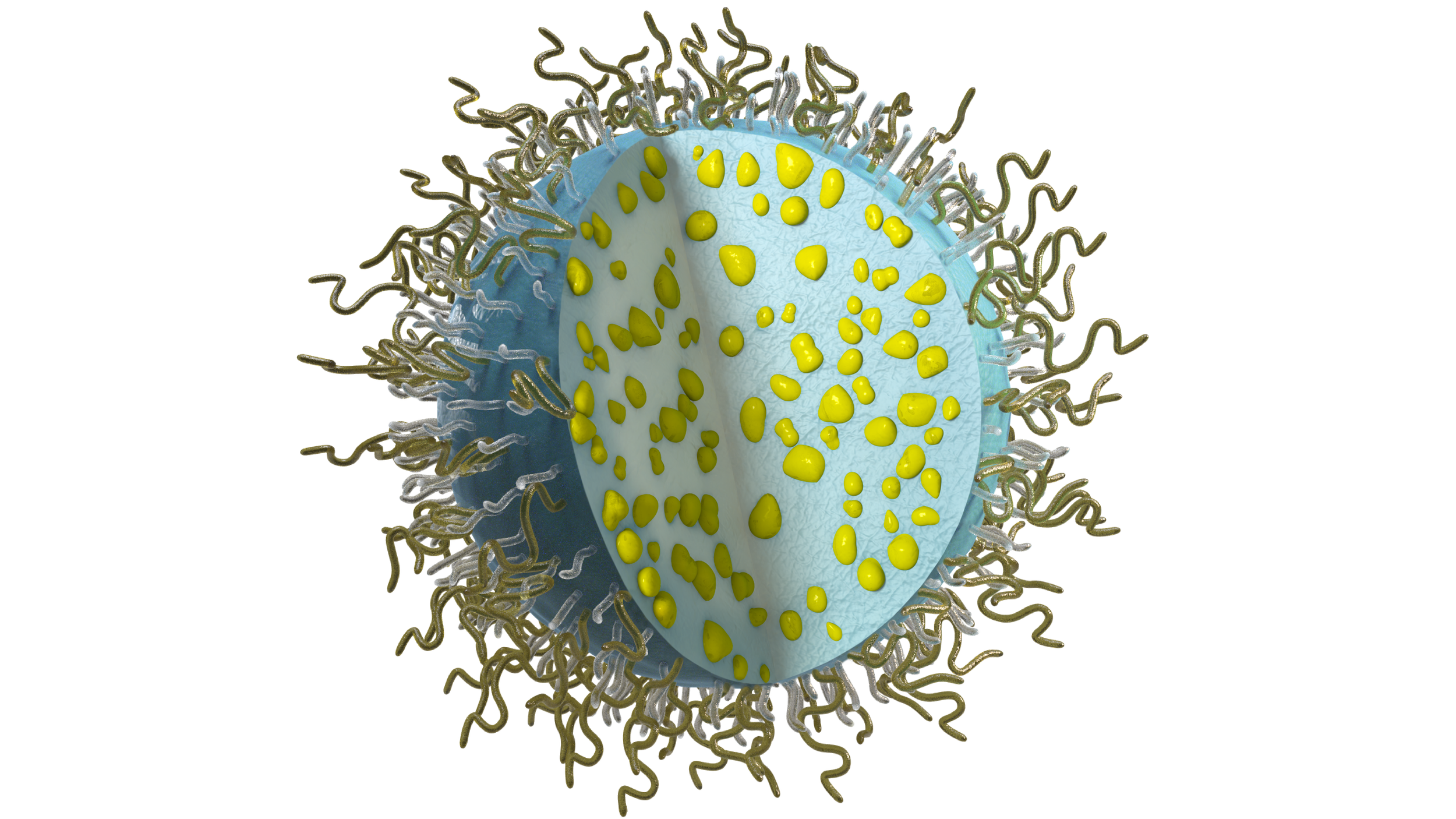
Our platform is suitable for poorly soluble molecules where improved formulation, local retention, enhanced specificity, and controlled release unlock therapeutic value
Drug compatibility
Encapsulation of poorly soluble and hard-to-deliver molecules across drug classes and indications.
Scalable manufacturing
Patented one-step encapsulation without chemical modification of the molecule.
Targeting
Chemical or biological targeting and enhanced specificity through adaptable nanoparticle surface properties.
Retention & release
Local administration and prolonged retention combined with controlled release for sustained exposure.
News




Funded by the European Union. Views and opinions expressed are however those of the author(s) only and do not necessarily reflect those of the European Union or European Innovation Council and SMEs Executive Agency (EISMEA). Neither the European Union nor the granting authority can be held responsible for them.